Origins in Middle Eastern Culture
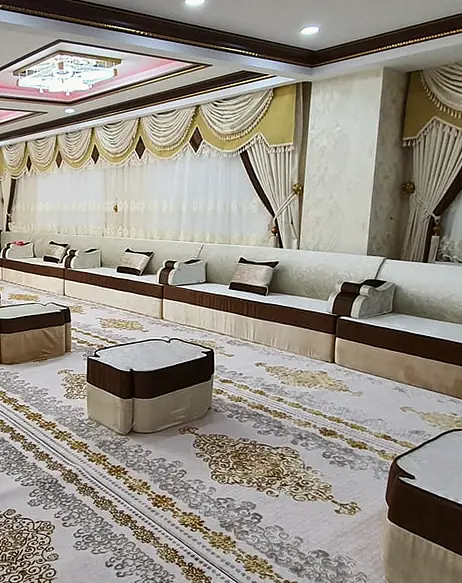
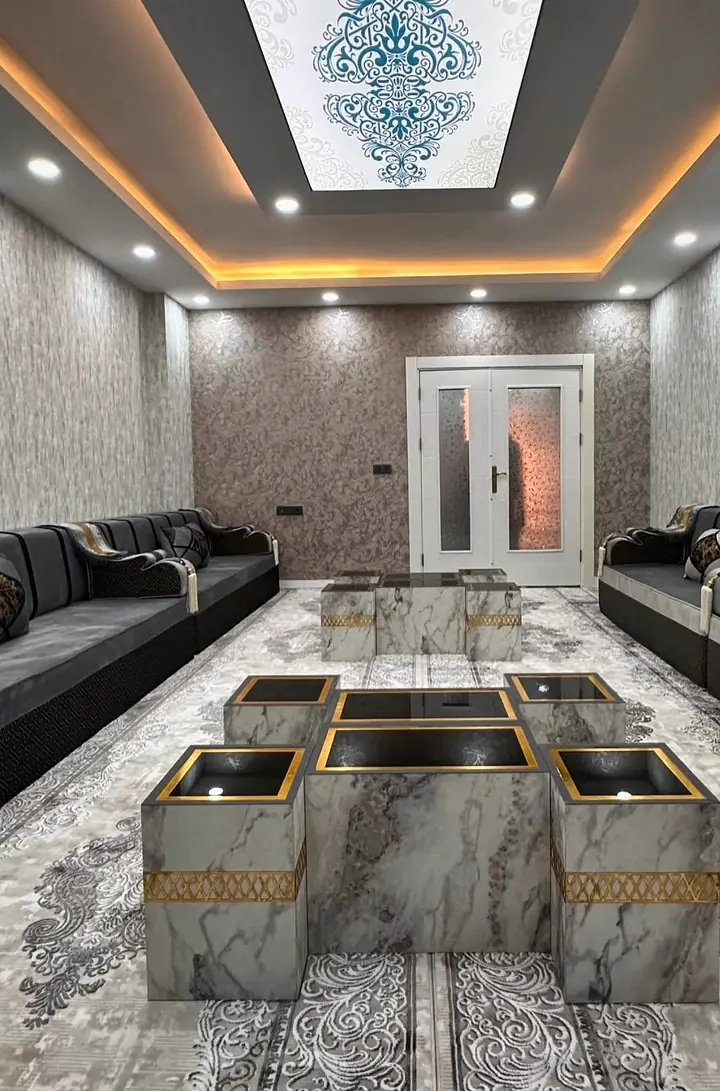
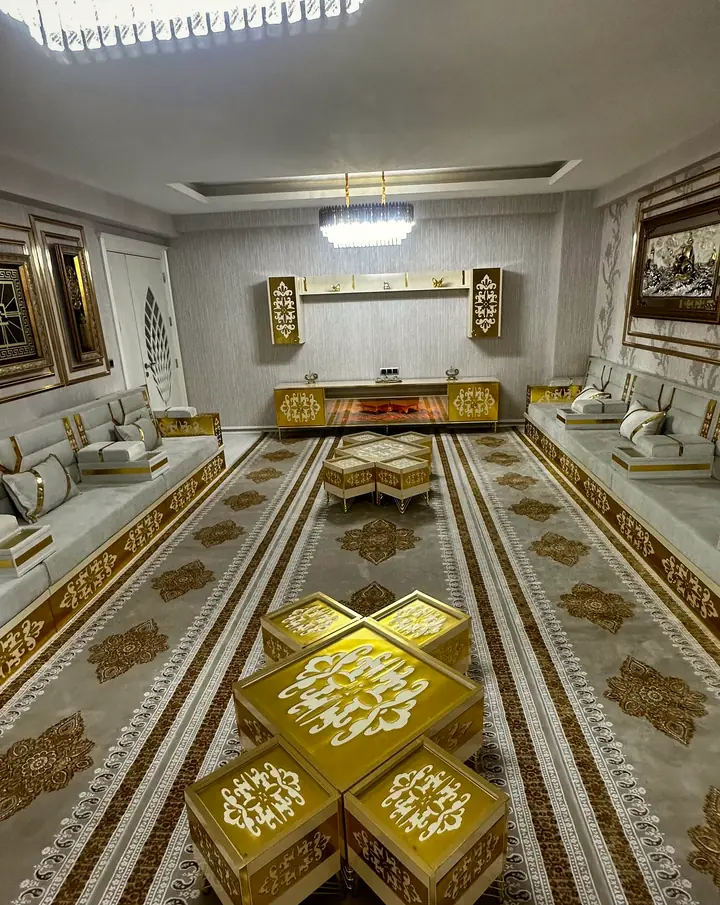
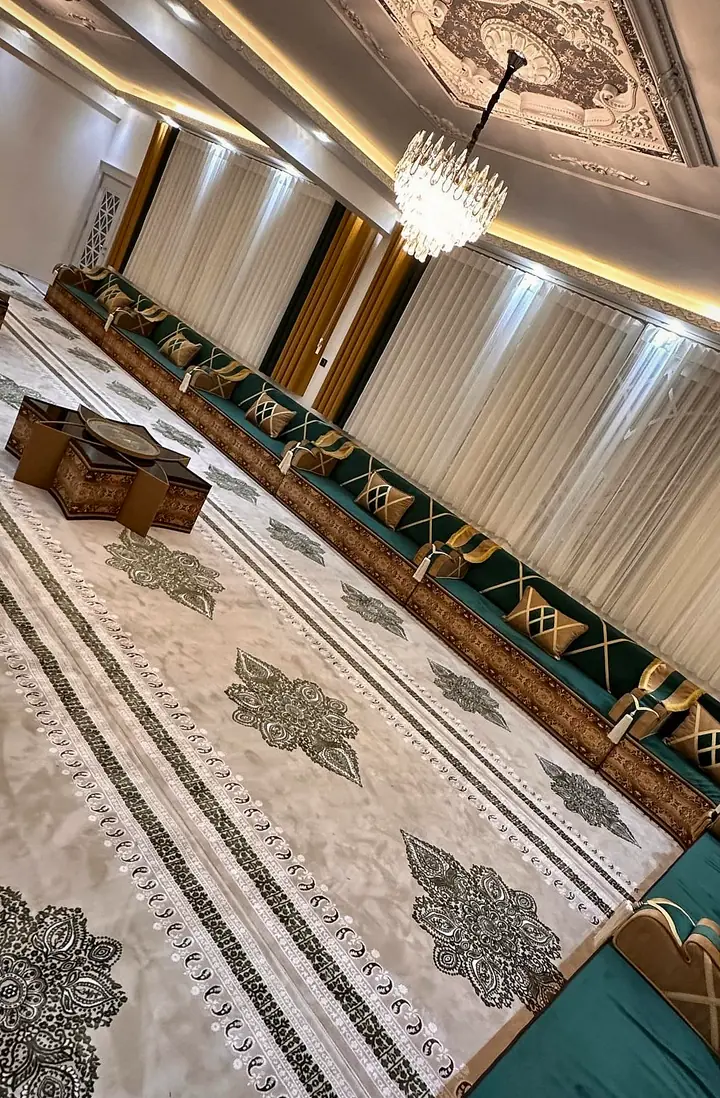
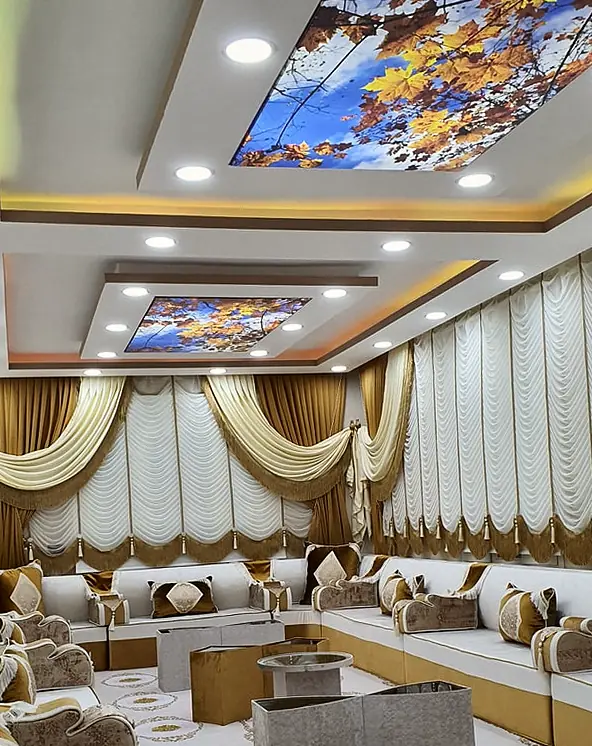
The origins of the Arabic sofa, or majlis seating, can be traced back to ancient Middle Eastern civilizations. Historically, the majlis referred to a gathering space where people would sit on cushions or low sofas arranged around a central area.
These gatherings were significant for social interactions, community discussions, and hospitality, which is a cornerstone of Middle Eastern culture.
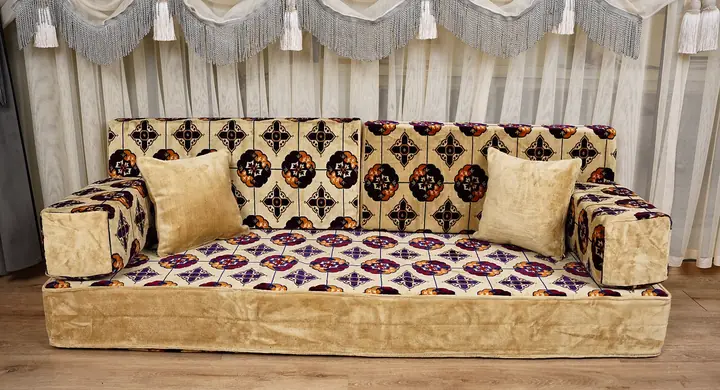
- Traditional Materials: Early Arabic sofas were often crafted using natural materials like wool and cotton. The covers featured vibrant patterns and colors inspired by regional artistry.
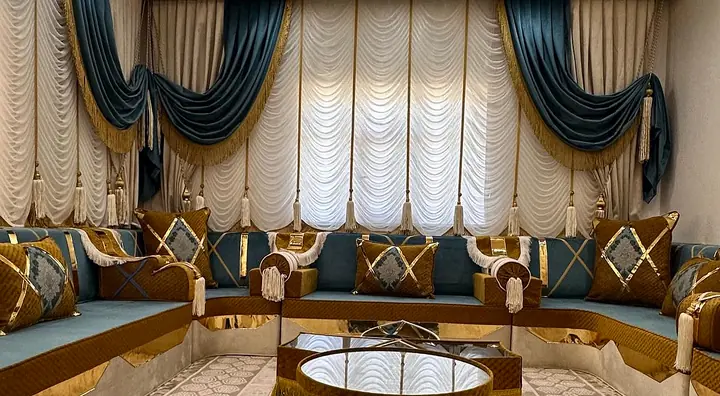
- Symbol of Status: In royal and noble households, more elaborate seating arrangements with ornate carvings and luxurious fabrics were a symbol of wealth and status.
Transition to Modern Arabic Sofas
Over time, Arabic sofas transitioned from simple cushions to structured designs that blend comfort with aesthetic appeal. The modern Arabic sofa retains its cultural essence while incorporating contemporary elements.
- Frame Construction: The introduction of wooden frames allowed for more structured designs, making sofas more durable and versatile.
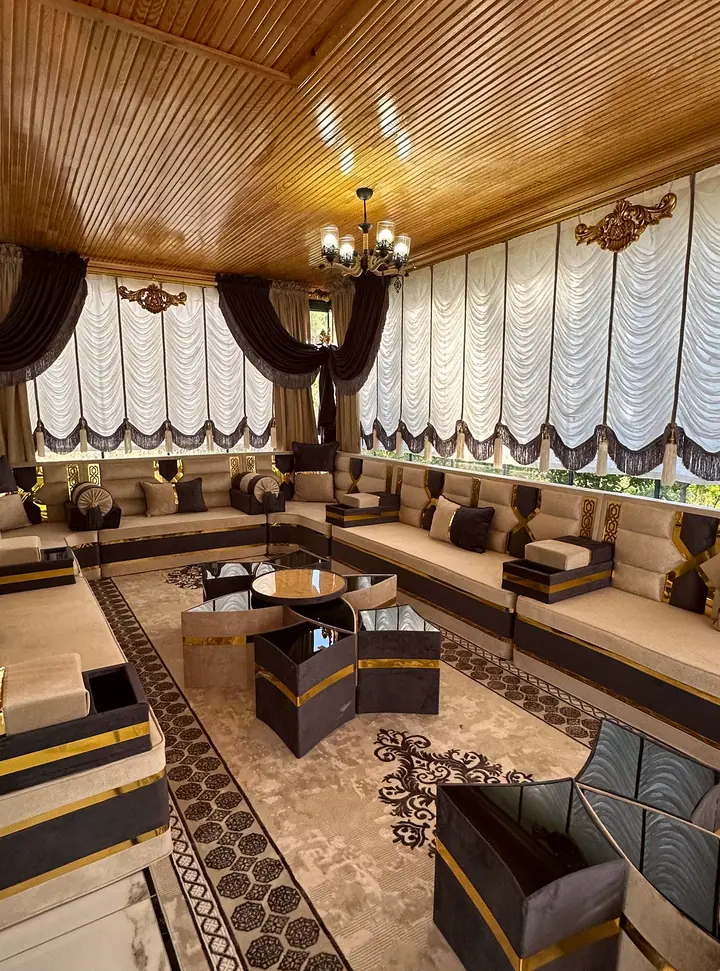
- Luxurious Upholstery: Velvet, silk, and intricate embroidery became hallmarks of Arabic sofas, reflecting the region's rich textile heritage.
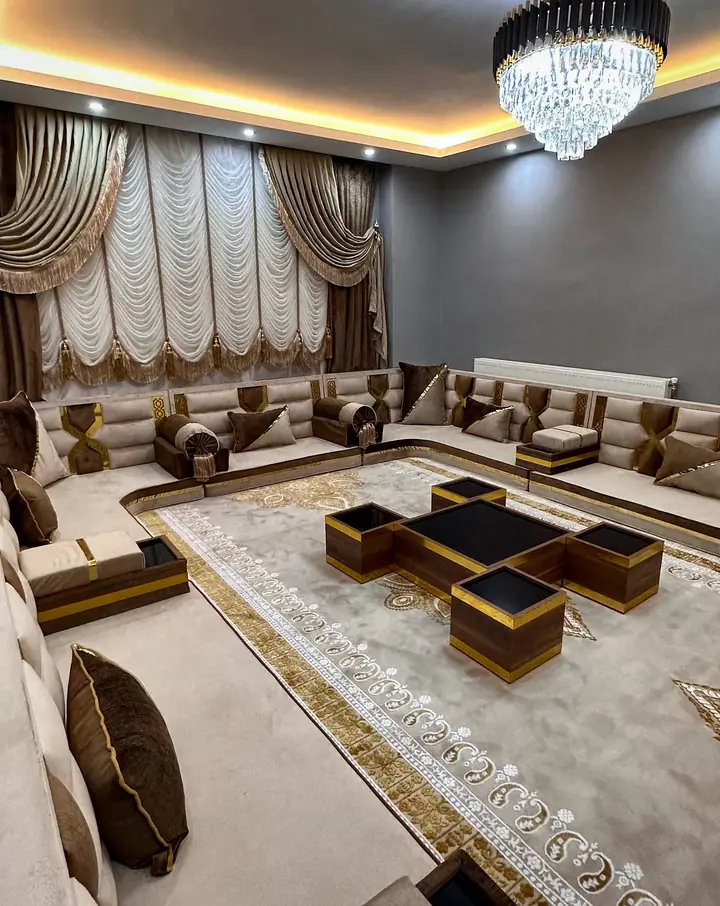
- Adaptability: Modern Arabic sofas feature modular designs and adjustable elements, catering to various interior styles.
Despite these changes, Arabic sofas have remained true to their roots, embodying the values of hospitality and warmth.
Global Influence and Popularity
Today, Arabic sofas are celebrated worldwide for their beauty and cultural richness. Designers incorporate elements of Arabic style into contemporary homes, blending traditional craftsmanship with modern functionality.
- Fusion Styles: Arabic-inspired sofas often appear in fusion interiors, combining Middle Eastern patterns with minimalist or industrial aesthetics.
- Luxury Appeal: The intricate detailing and high-quality craftsmanship of Arabic sofas make them a popular choice in luxury interior design.
- Cultural Identity: For many, owning an Arabic sofa is a way to connect with their cultural heritage and share it with others.