What should a custom Yemeni majlis preserve from everyday use?
A useful custom brief describes how the seating will be used and looked after, as well as how it will look. I start with the parts the household handles: seat covers, back covers and bolsters. The Yemeni majlis range shows the design family, but the chosen construction sets the limits. Note whether existing cushions will be kept, who uses the room and which covers may need separate replacement later.
From the atelier
Questions buyers ask
- How high and deep is a Yemeni, Sana'a-style majlis, and can you make it with stacked back pillows and bolsters?
- Choose the construction before specifying heights for Yemeni seating. Standard raised custom depth is 29.5 in (75 cm); wooden-base height is about 14.5 in (37 cm)–16 in (40 cm) and is not reduced. Confirm requested backs and bolsters for the particular model. A room photograph does not establish every available cushion configuration.
- Can I order just the covers without foam, sewn to fit cushions I already have?
- Covers can be requested without foam to fit cushions already in the room. Measure each foam piece’s length, depth and thickness, including the backs and armrests separately. Describe the wanted fabric collection as well. A new cover changes the outer surface; it does not restore comfort to worn or flattened filling.
How do you turn the room and care needs into a custom request?
- Separate a new seating build from a cover request. A new custom set needs a construction and layout brief. For covers alone, record the dimensions of the foam already owned and identify each component; do not use an empty cover as the size reference.
- Record the seating runs and every obstruction. Measure the usable seating walls and mark doors, windows, vents and open ends. A long wall is divided into equal sections of no more than 75 in (190 cm); do not send only a total room perimeter.
- Choose the construction before the height. Distinguish low floor cushions of 4 in (10 cm) or 8 in (20 cm) from raised foam and wooden-base builds. A wooden model reaches about 14.5 in (37 cm)–16 in (40 cm) and is not a low-base conversion.
- Describe the fabric selection as a whole set. Choose a collection and color reference, then describe any optional gold accent. Fabrics are not mixed across collections; keep the fabric of the seats, backs and arms consistent with the selected range.
- Review the parts and care details together. Check the seats, backs, arms and pillows in the list. Mark tables, rugs and curtains as separate custom add-ons. Keep the care instructions for the chosen fabric with the room brief.
The made-to-measure Arabic seating overview explains this wider distinction between a custom build and a ready-size arrangement. A request for one changed dimension still needs to be compatible with the model.
A replacement cover needs the dimensions of the existing foam, not the empty fabric case.
Which dimensions are established, and which changes need a model check?
| Item in the brief | Dimension or option | What must be checked |
|---|---|---|
| Standard floor seat | 75 × 27.5 × 4 in (190 × 70 × 10 cm) or 75 × 27.5 × 8 in (190 × 70 × 20 cm) | Use the full cushion size when comparing it with the room. |
| Standard raised custom depth | 29.5 in (75 cm) | This is the usual depth, rather than a promise that every model changes. |
| Narrow or deeper custom request | About 19.5 in (50 cm)–23.5 in (60 cm), or up to 33.5 in (85 cm) | Confirm the selected construction and the room’s remaining usable space. |
| Raised all-foam height | 12 in (30 cm) or about 16 in (40 cm) | Specify the finished sitting surface, rather than the height of the back. |
| Wooden-base height | About 14.5 in (37 cm)–16 in (40 cm) | The height depends on the model; the wooden build is not made lower. |
| Lower custom request | For example 8 in (20 cm) or 10 in (25 cm) | Treat this as a request requiring model confirmation. |
| Long or corner back | 37.5 × 16 × 4 in (95 × 40 × 10 cm) or 23.5 × 16 × 4 in (60 × 40 × 10 cm) | Name the back type and count it separately from armrests. |
| Standard end arm | 19.5 × 8 × 8 in (50 × 20 × 20 cm) | Larger raised-set arm styles must be specified separately. |
| Long seating run | Equal sections, each no more than 75 in (190 cm) | The layout drawing resolves the corner for the chosen construction. |
Height is not a firmness specification. Standard seat foam is firm to medium-firm; a different feel can be requested without assuming that the tallest option is softer. I keep finished height and preferred feel on separate lines so one does not silently replace the other.
How can equal sections and removable parts be checked in one example?
Consider a straight custom seating run of 146 in (370 cm). Dividing it into two equal cushions of 73 in (185 cm) keeps each section below 75 in (190 cm). That example describes the straight run only: a second wall needs its own corner calculation. The familiar 27.5 in (70 cm) floor-seat corner rule must not be applied automatically to a raised custom build; its final geometry belongs in the layout drawing.
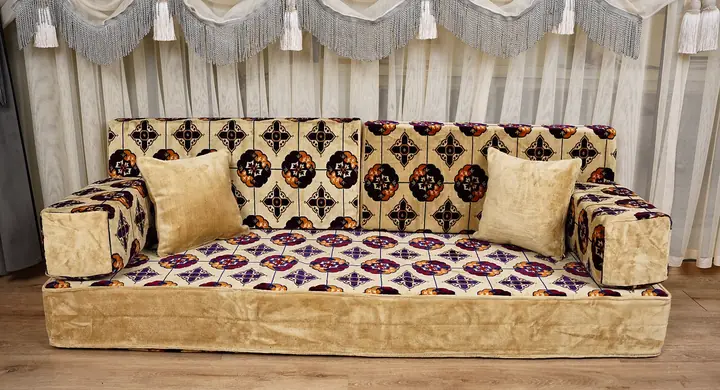
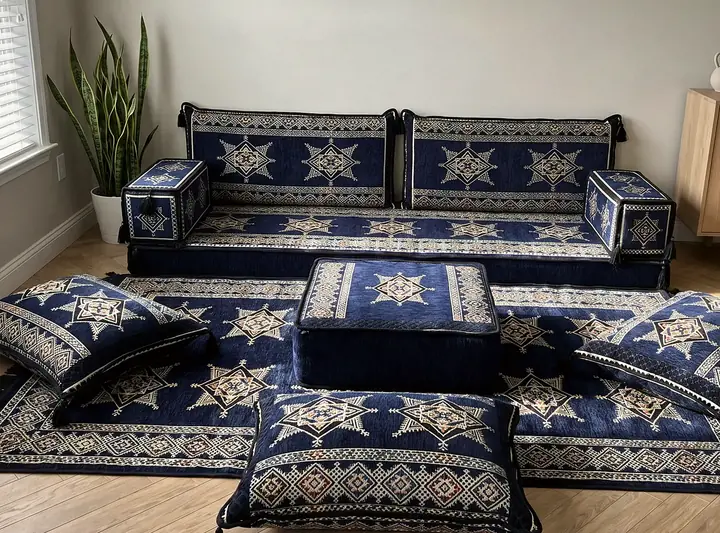
Now list a cover for each seat and a cover for each back or arm piece. This makes the future replacement request intelligible even if the room’s familiar name stays unchanged. The photographed blue floor set shows separate seat, back and end pieces. It is a component illustration, not a specification for the custom room in this example.
How do fabric choice and cover care affect the custom brief?
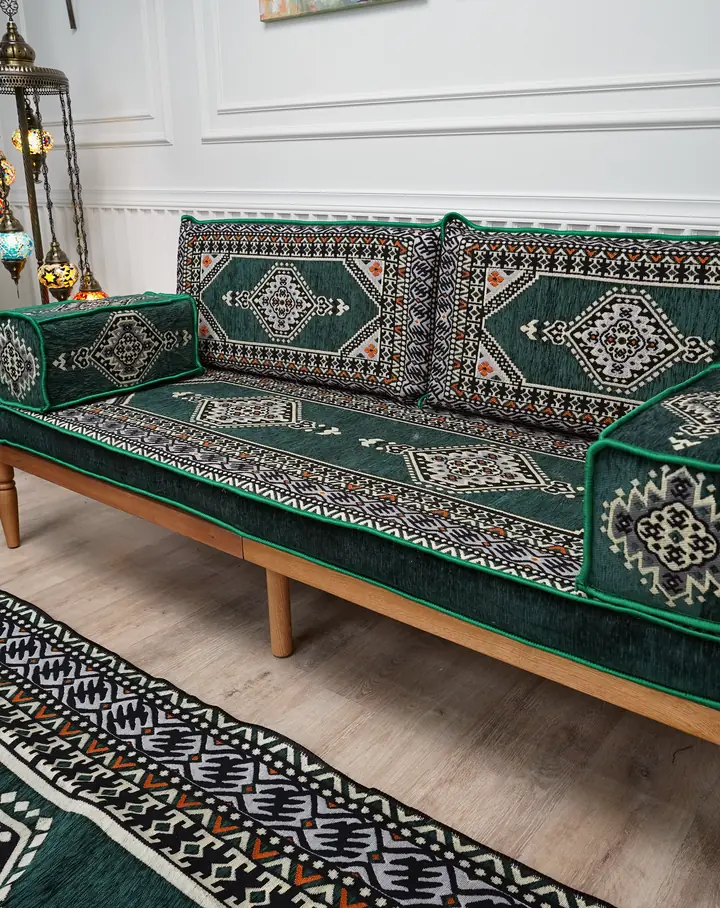
Choose the fabric through its collection and color reference. Most models can use colors from the fabric range, and gold accents are optional, but this does not override the fixed sizes or back shapes of some ready-size patterned velvet models. The upholstery fabric choices provide a place to compare selections. A fabric photograph is not evidence of a fibre blend, stain resistance or outdoor suitability.
| Request | What to record | Care consequence |
|---|---|---|
| New custom set | Selected fabric collection and color number | Retain the instructions for that fabric rather than assuming all covers are washed alike. |
| Covers for existing foam | Length, depth and thickness of every seat, back and arm | Check the foam’s condition before assuming a new cover will renew the seating feel. |
| Future replacement cover | Which original component and fabric selection it belongs to | A component description is more precise than asking for one majlis cover. |
| Removable cover cleaning | The care label and the appropriate method | Where permitted, use a gentle 86°F (30°C) wash with mild detergent; avoid high heat. |
The majlis fabric and cover care guide keeps the cleaning decision with the material. Do not wash the foam. Do not extend a removable-cover instruction to wood, internal supports or every fabric merely because the set has a similar appearance.
Which assumptions should be removed before confirming the custom layout?
- The same photo can be made at any height: first confirm the model’s construction limits.
- A wooden seat can be lowered to 8 in (20 cm): wooden-base builds remain about 14.5 in (37 cm)–16 in (40 cm).
- A 146 in (370 cm) run needs two maximum-length seats and a gap: divide it into two equal 73 in (185 cm) sections.
- A deeper cushion guarantees a softer seat: record depth and firmness separately.
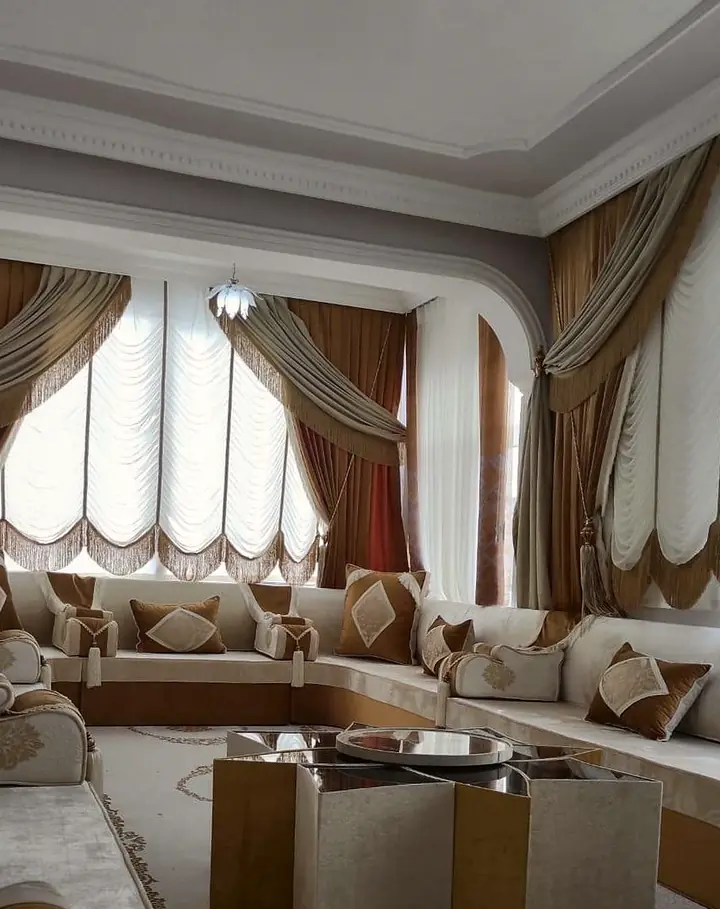
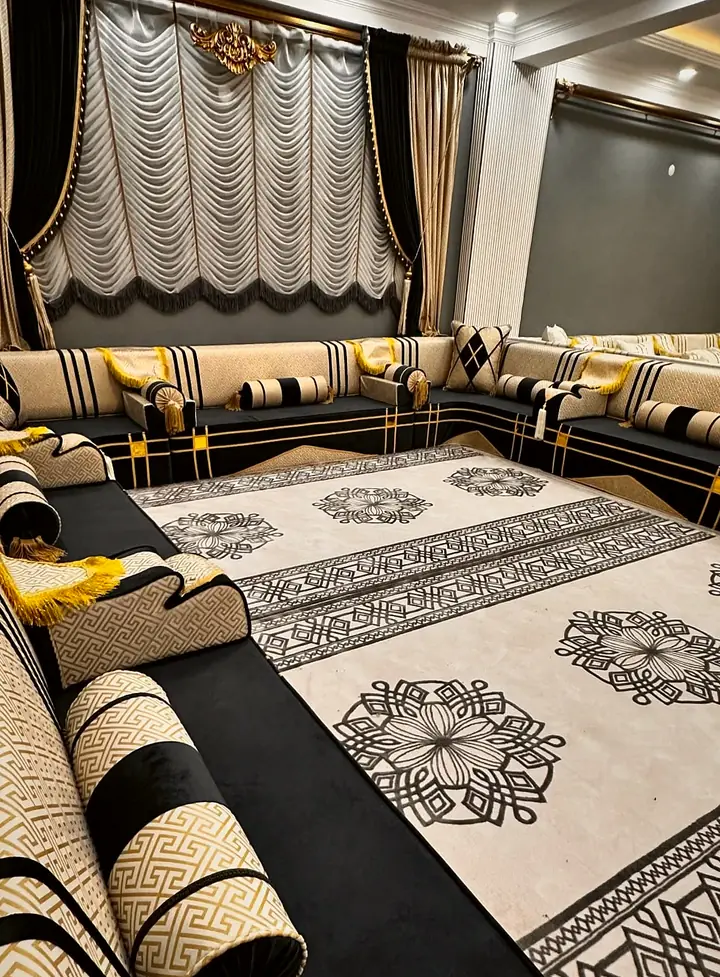
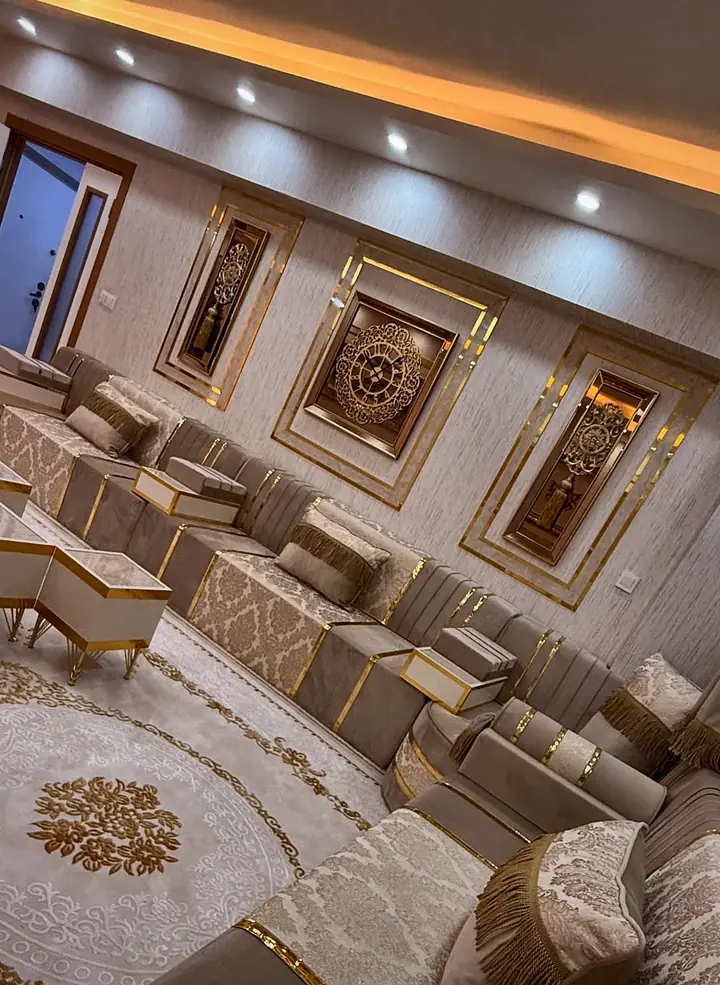
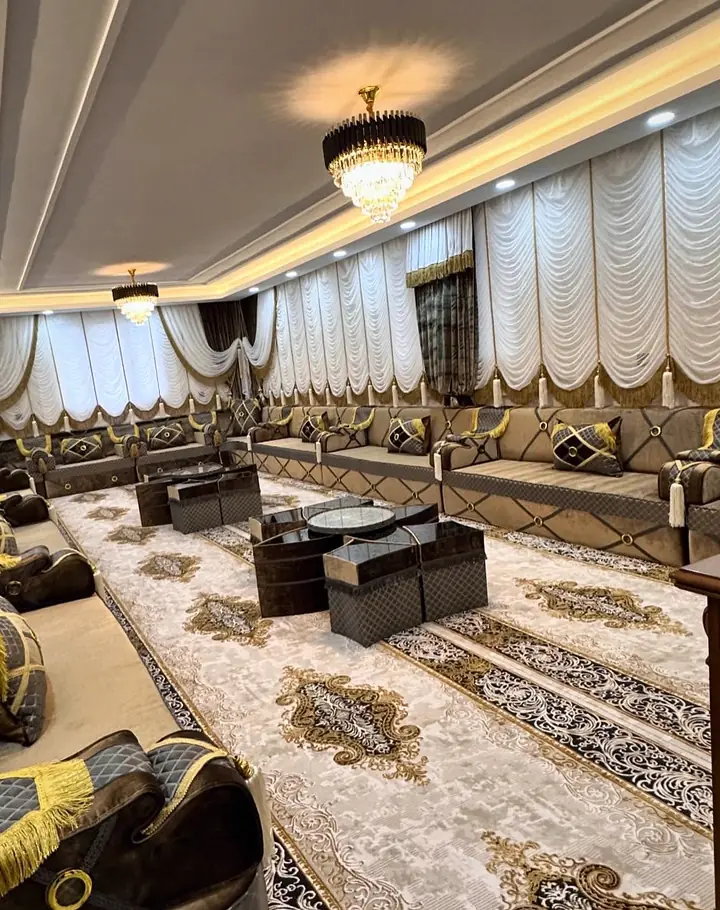
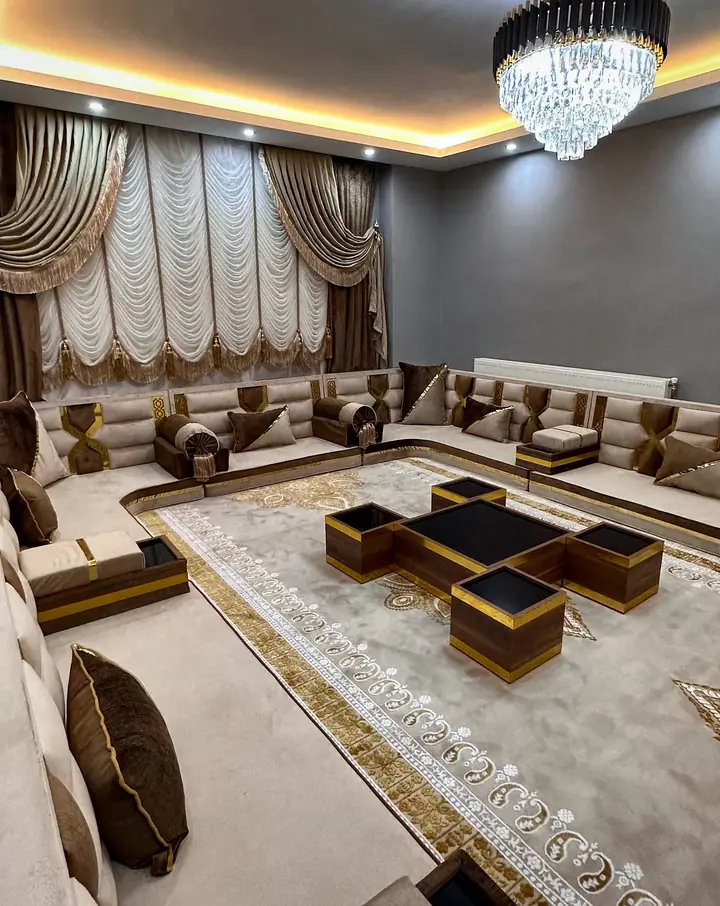
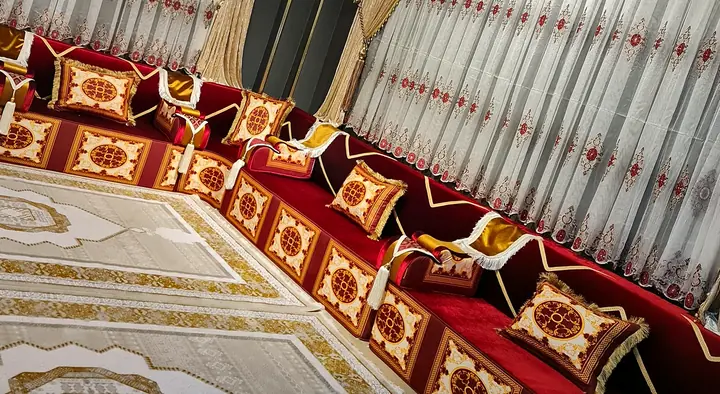
- Every object photographed belongs in the custom quote: identify tables, rugs and curtains as add-ons.
- All covers share one wash method: retain the selected fabric’s care instructions.
For a custom build, review the layout before the quote and payment stage. Custom orders start with a layout plan for your approval.
This layout process applies to custom seating. Ready-size sets, separate extras and fabric samples have their own order steps.
What belongs in the final custom brief and the future care record?
Keep the measured runs, chosen model, finished seat height, preferred depth, fabric selection and separate component list together. Add any requested support behind an open run and the parts intended for later cover replacement. I would keep that brief beside the care instructions: the same information that prevents an unclear order also makes a later spare-cover request easier to describe.
Frequently asked questions
Can an existing cushion be kept when changing the fabric?
Covers can be requested for existing foam. Measure the foam itself for length, depth and thickness, and list seats, backs and arms separately. Check its condition before choosing this route: a replacement outer cover cannot correct filling that has become worn or flattened.
Is every photographed Yemeni design available in a lower wooden version?
A reference image establishes the look being requested, but it does not establish all construction options. Wooden-base models are about 14.5 in (37 cm)–16 in (40 cm) high and are not made lower. A low-height request needs a suitable different construction and confirmation for the chosen model.
Should rugs and curtains be counted in the custom seating components?
A custom majlis quote identifies seat cushions, backs, armrests and matching pillows. Tables, rugs and curtains are separate add-ons. Write them separately in the room brief, even when a reference photograph shows them arranged alongside the seating.